
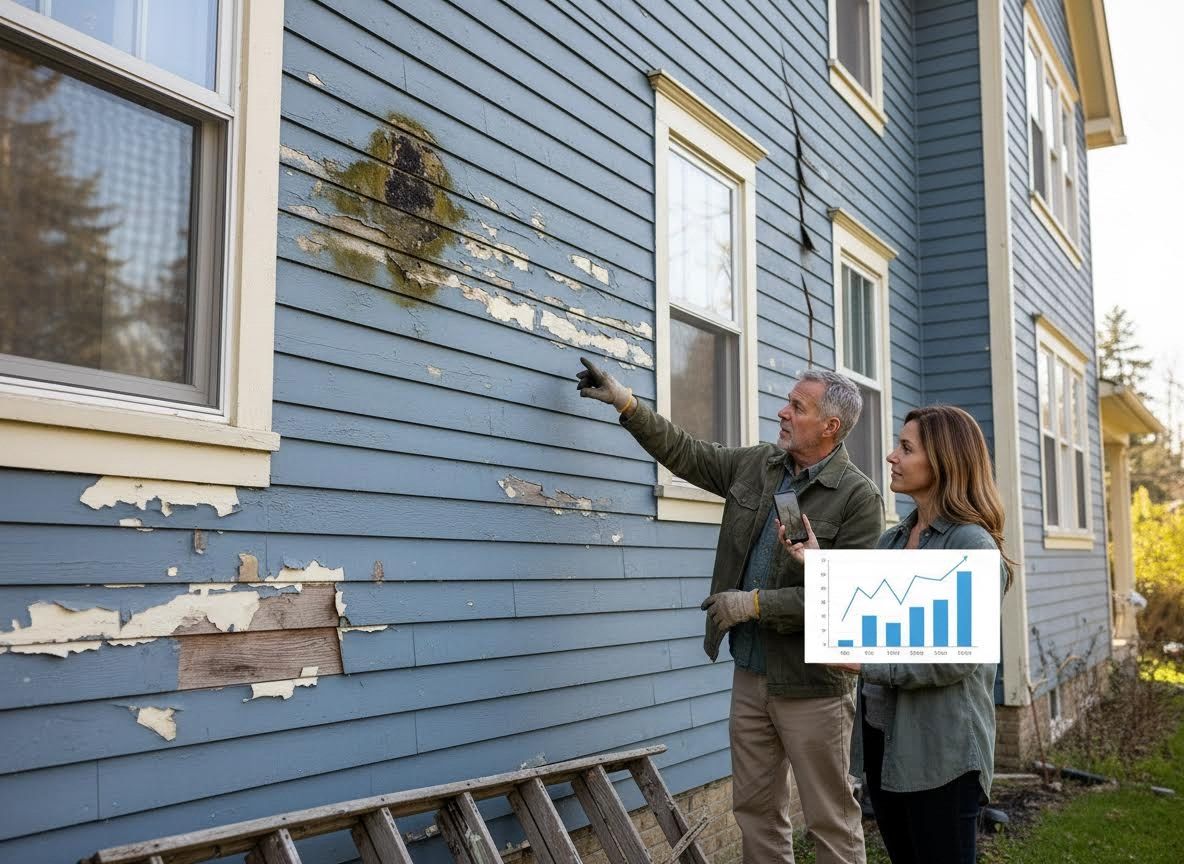
The siding on your home is more than just curb appeal; it's a critical layer of protection against the elements, safeguarding your home's structural integrity and energy efficiency. Over time, even the most durable siding will begin to show signs of wear and tear, indicating it might be time for an upgrade. Recognizing these warning signs early can save you from more extensive and costly repairs down the line, ensuring your home remains a safe and comfortable haven. At Convergence Kitchen & Bath, we understand the importance of a well-maintained exterior in preserving your home's value and comfort.
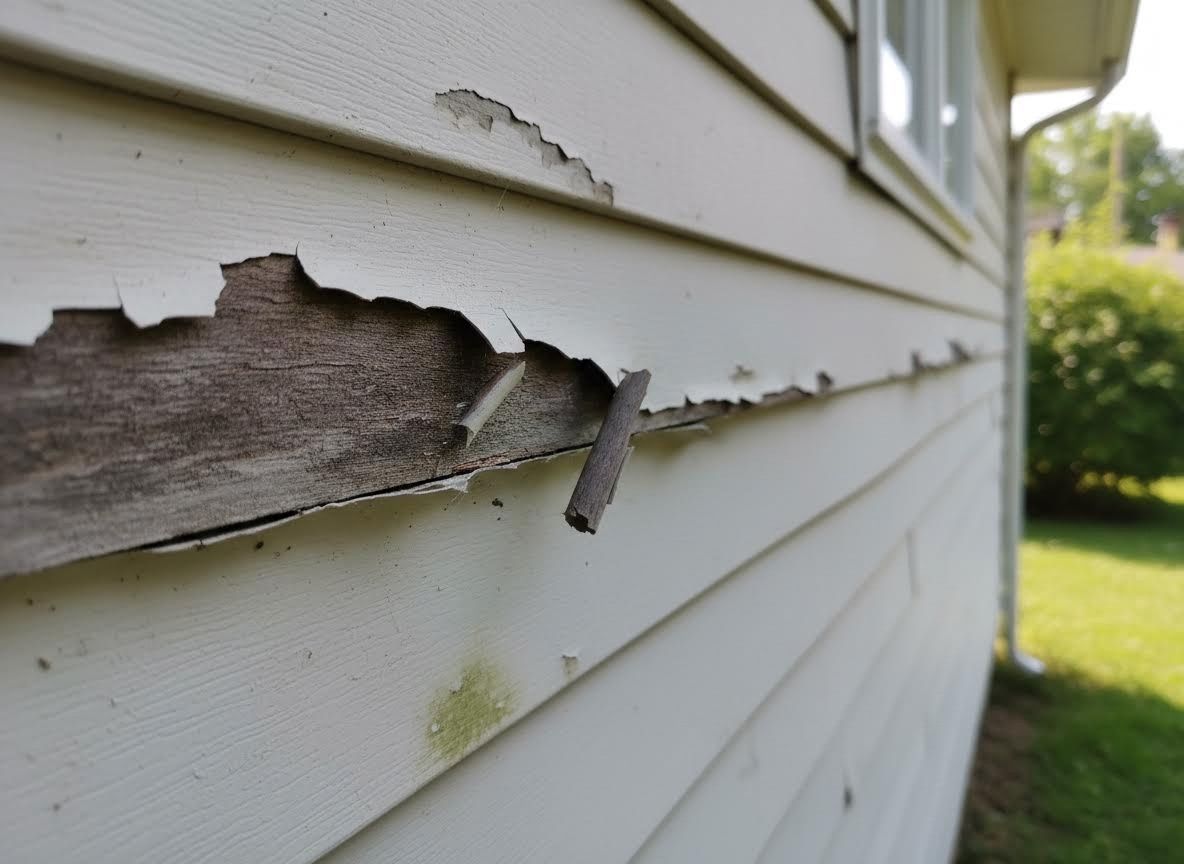
Peeling Paint, Warping, or Bubbling
One of the most apparent indicators that your siding is failing is visible damage like peeling paint, warping, or bubbling. Paint that peels or chips excessively often points to moisture issues beneath the surface, preventing the paint from adhering properly. Similarly, siding panels that warp, buckle, or swell suggest water absorption or thermal expansion problems, which compromise the material's integrity. Bubbling can occur when moisture gets trapped behind the siding, indicating potential leaks or inadequate ventilation. These issues not only detract from your home's aesthetic but also act as open invitations for further moisture intrusion, leading to rot and mold.
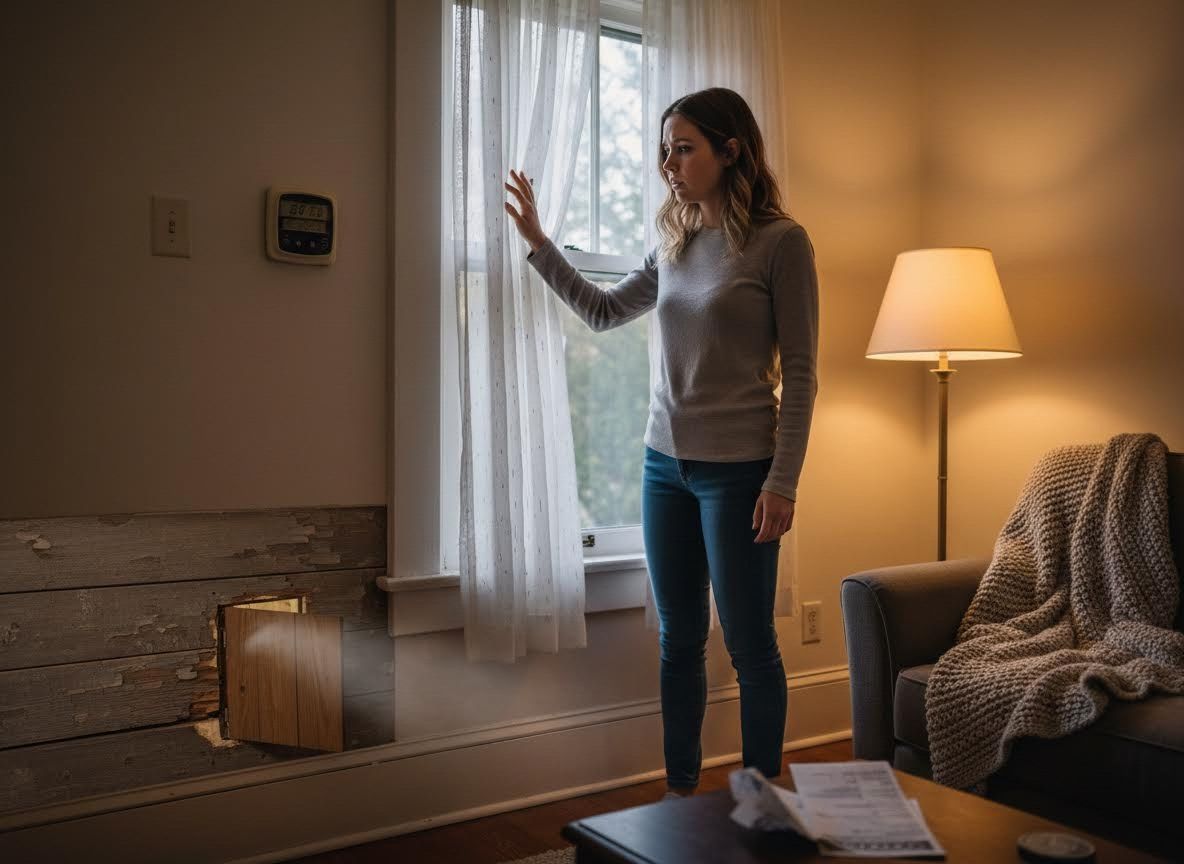
Skyrocketing Energy Bills and Drafts
Your home's siding plays a significant role in its insulation and overall energy efficiency. If you've noticed a sudden or gradual increase in your heating and cooling costs without a corresponding change in utility rates, your siding might be to blame. Damaged, cracked, or poorly installed siding can allow air to leak in and out of your home, making your HVAC system work harder to maintain a consistent indoor temperature. Accompanying drafts, particularly near windows, doors, or outlets, are another strong signal that your siding's protective barrier has been compromised, indicating it's no longer effectively insulating your home.
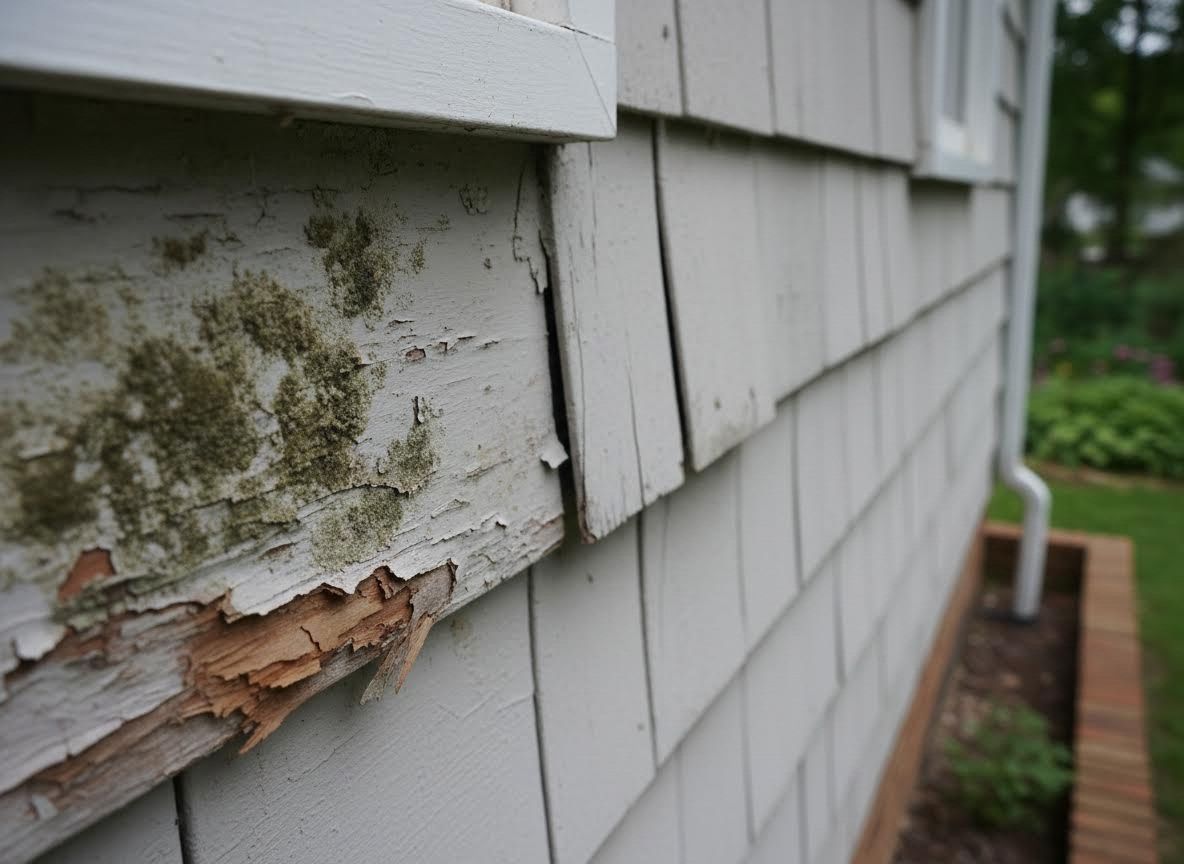
Mold, Mildew, and Rot
The presence of mold, mildew, or rot on your siding is a serious warning sign that should not be ignored. While some surface mildew can be cleaned, persistent or recurring growth, especially in shaded or damp areas, often indicates underlying moisture problems. Rot, which typically manifests as soft, crumbling, or discolored patches, means that water has penetrated the siding and is damaging the structural wood beneath. This can lead to significant structural damage, attract pests, and pose health risks to your family. Addressing these issues promptly, often with the help of a lead certified contractor, is crucial to prevent further decay and maintain a healthy living environment.

Frequent Repairs or Advanced Age
If you find yourself constantly repairing sections of your siding due to cracks, loose panels, or impact damage, it might be more cost-effective in the long run to consider a full replacement. While minor repairs are normal, a pattern of recurring issues suggests that the material has reached the end of its lifespan or is fundamentally flawed. Most siding materials have a specific lifespan, typically ranging from 20 to 40 years, depending on the type and maintenance. If your home's siding is approaching or has exceeded this age range, even if it looks superficially sound, its protective capabilities may be significantly diminished, leaving your home vulnerable. This can be especially true if you've recently experienced severe weather and need insurance restoration work.
Recognizing these key warning signs empowers you to make informed decisions about your home's exterior. Proactive replacement can safeguard your investment, improve energy efficiency, and enhance your home’s curb appeal for years to come. Whether you're considering exterior home renovations or contemplating a future kitchen remodeling project, ensuring your home’s envelope is sound is a fundamental step. To learn more about assessing your siding's condition and exploring durable, beautiful replacement options tailored to your home, connect with a trusted remodeling contractor today.